About

The Social Health Institute (SHI) provides training and
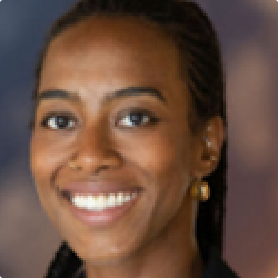
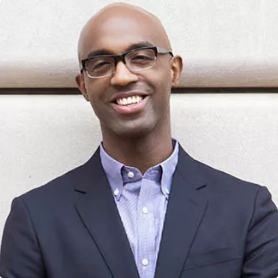
coaching in the PACH framework and method of the Listening with Curiosity Project (LCP), an empirically proven intervention for addressing the global crisis of connection that has been implemented in NYC public schools and universities around the world since 2016. SHI was created to expand the reach of the PACH framework and method not only to youth-based organizations including schools and universities but also to all human-centered organizations. Through providing training and coaching anchored in the pioneering developmental science of Dr. Niobe Way (NYU) and educational research of Dr. Joseph D. Nelson (Swarthmore), the Social Health Institute (SHI) seeks to foster the cognitive, social, and emotional skills for relational intelligence (RQ) that is necessary for human connection and bridging divides. Our evaluation research indicates that our method of fostering RQ skills enhances social and emotional skills and wellbeing, academic and work engagement, and an increased sense of a common humanity.

SHi Works

Training

SHI offers 1-2 day in-person and 8-hour online training (over 4 two hour sessions) in our PACH framework and method, with the additional goal following the training to help develop customized plans for its integration in organizational settings.Professional Development credits for teachers are possible. For those who are trained in our model, we also offer additional training to become a coach for SHI as we aim to create a self-sustaining model whereby organizational leaders train and coach their own employees.

If interested in training and/or curriculum implementation for your school or organization, please fill out this form (will be hyperlinked), and/or contact us.

Coaching

For those organizations who have participated in SHI’s training and are implementing the SHI model within their organization, SHI offers on-going remote coaching sessions to support implementation.

Curriculum Development

SHI also offers customized curriculum development and
licensing to organizations, allowing for the adaptation of the core content for organizational settings

Evaluation

A necessary component of SHI is the organizational evaluation
of the implementation of the SHI training. Thus, we require
organizations who use our approach in the workplace to
distribute standardized research to those who have been trained
in our approach.

The Science

Behind SHi

We are experiencing a global crisis of connection, with only 17% of those under 30 in the United States, according to a Harvard health research study, feeling connected to at least one person.The science of human connection that brings together research in across disciplines reveals a five part story regarding the roots,consequences, and solutions to this crisis of connection

Part 1: Our Social Nature

Research in the fields of developmental psychology, social neuroscience, primatology, and evolutionary anthropology has consistently indicated that we are social species who need each other to survive. The data also suggests that we are born with the emotional and relational intelligence necessary to have the type of relationships we need and want to thrive. We don’t need to teach these skills, we just need to nourish them.

Part 2: Our Anti-Social Culture

The human sciences including the fields of sociology, political science, economics, and history indicate that we live in an anti-social culture that privileges me over we, the self over the other, independence over interdependence, autonomy over connection, and money over people.

Part 3: The Crisis of Connection

The developmental and health sciences have indicated that this culture/nature clash in which we are social by nature but grow up in a culture that clashes with our social nature and our social and emotional needs lead to soaring rates of depression, anxiety, loneliness, isolation, alienation.

Part 4: The Consequences of the Crisis

Research also indicate the consequences of this crisis ofconnection (depression, anxiety, loneliness) include suicide,substance use, and all forms of violence.

Part 5: The Solutions to the Crisis

The first and second part of the five-part story suggests that the solutions lie with creating a pro-social culture that nurtures our social nature rather than discourages it from being expressed.
SHI aims to help build a more pro-social world.

Publications

The Social Health Institute’s work is grounded in decades of social
science research as well as empirical studies of the Listening with
Curiosity Project

Rebels With a Cause, by Dr. Niobe Way

Dr. Niobe Way’s TEDMED Talk: Why “boys will be boys” is a myth–and a harmful one at that

Chimamanda Ngozi Adichie’s TED Talk: The danger of a single story

Matthew Lieberman’s (neuroscientist, and author of the book Social: Why our Brains are Wired to Connect) TED talk: The social brain and its superpowers

The Mask You Live In documentary trailer, featuring Dr. Niobe Way

Why “Boy” Culture Is Hurting Boys and Everyone Else, Greater Good Magazine
Rebels With a Cause, by Dr. Niobe Way

Dr. Niobe Way’s TEDMED Talk: Why “boys will be boys” is a myth–and a harmful one at that

Chimamanda Ngozi Adichie’s TED Talk: The danger of a single story

Matthew Lieberman’s (neuroscientist, and author of the book Social: Why our Brains are Wired to Connect) TED talk: The social brain and its superpowers

The Mask You Live In documentary trailer, featuring Dr. Niobe Way

Why “Boy” Culture Is Hurting Boys and Everyone Else, Greater Good Magazine

Rebels With a Cause, by Dr. Niobe Way

Dr. Niobe Way’s TEDMED Talk: Why “boys will be boys” is a myth–and a harmful one at that

Chimamanda Ngozi Adichie’s TED Talk: The danger of a single story

Matthew Lieberman’s (neuroscientist, and author of the book Social: Why our Brains are Wired to Connect) TED talk: The social brain and its superpowers

The Mask You Live In documentary trailer, featuring Dr. Niobe Way

Why “Boy” Culture Is Hurting Boys and Everyone Else, Greater Good Magazine

People

Devin Malik Anglin

Laura Cephus

Tina Jagdeo

Christin Mohammed-King

Joseph D. Nelson

Holly Van Hare

Gina Voskov

Niobe Way

Hirokazu Yoshikawa

Nathania B. Zhong